Martingale Collars
Practical tips and clear steps for martingale collars.
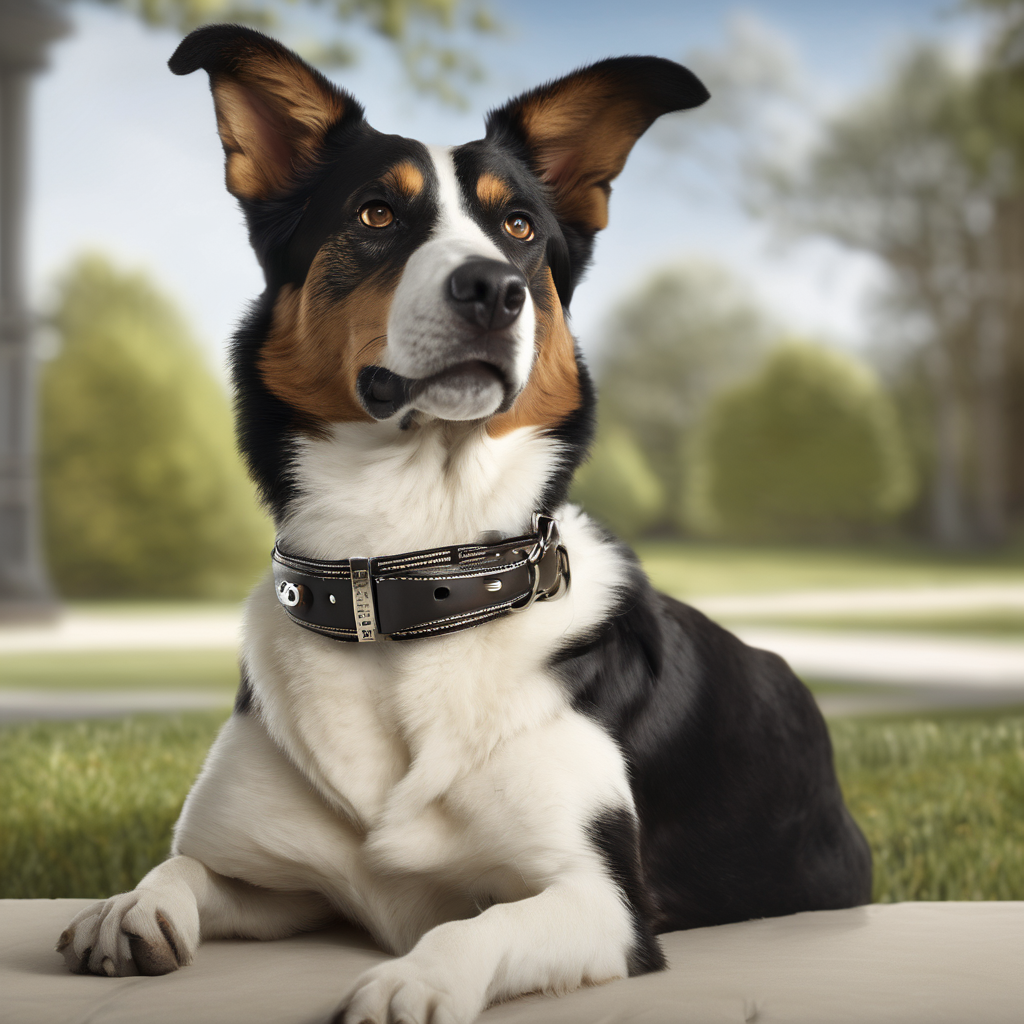
This page covers martingale collars in a practical, step-by-step way. You’ll learn what matters most, what to avoid, and how to get better results with fewer headaches.
Use the sections below as a simple checklist.
Key highlights
- Key steps that matter most for martingale collars
- Safety and setup checkpoints to avoid problems
- Common mistakes and how to prevent them
- Practical improvements you can apply today
How to choose (and common mistakes)
When choosing an approach for martingale collars, prioritize safety and repeatability. Start with the simplest method that fits your situation. Avoid changing multiple variables at once, and always validate your setup before you scale up.
Related Topics
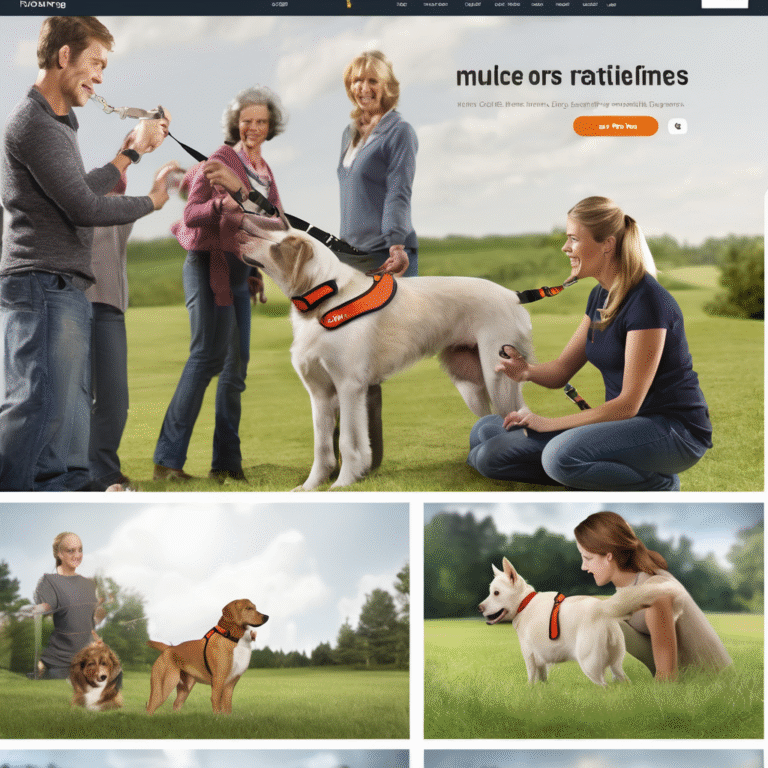
E-Collars and Remote Training
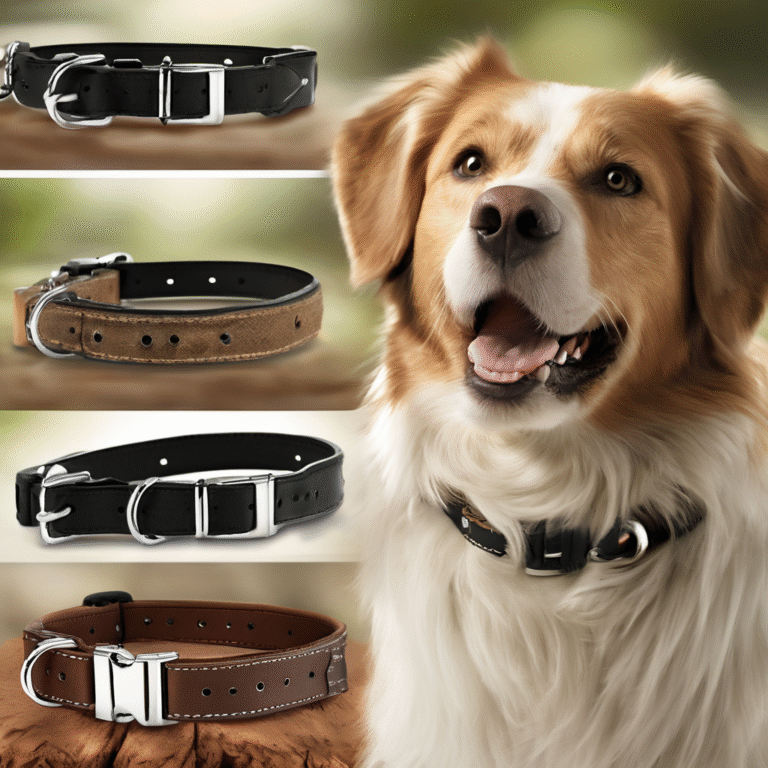
Bark Collars
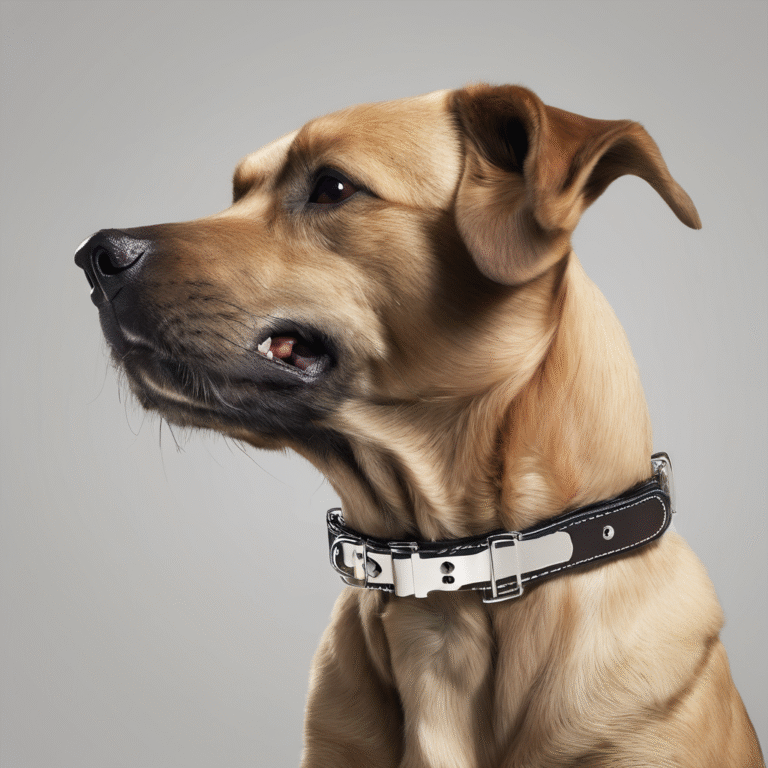
Prong Collars
Latest Guides

How To Use Prong Dog Training Collars
How To Use Prong Dog Training Collars Using a prong dog training collar can significantly improve your dog’s behavior during […]

How To Use Dog Training Collars
How To Use Dog Training Collars Using a dog training collar can be an effective way to improve your dog’s […]

Are Martingale Collars Cruel
Are Martingale Collars Cruel Martingale collars are not inherently cruel when used correctly. They can be a valuable training tool, […]

What Is A Martingale Collar
What Is A Martingale Collar A martingale collar is a type of dog collar designed to provide a secure fit […]

How Do Martingale Dog Collars Work
How Do Martingale Dog Collars Work Martingale dog collars are designed to provide better control over your dog while preventing […]

How Do Dog Shock Collars Work
How Do Dog Shock Collars Work Dog shock collars, often referred to as e-collars or training collars, are devices designed […]

How Do Citronella Dog Collars Work
How Do Citronella Dog Collars Work Citronella dog collars are designed to help discourage unwanted barking by releasing a burst […]

PetSpy vs INVIROX Dog Shock Collar
PetSpy vs INVIROX Dog Shock Collar When it comes to training your dog, having the right tools can make all […]
Jugbow vs Bousnic Dog Shock Collar
Jugbow vs Bousnic Dog Shock Collar The Jugbow and Bousnic dog shock collars offer pet owners effective training solutions for […]
How We Choose & Recommend
Short, practical guidance first—then product picks when you are ready.
- We compare features and real-world use cases for Martingale Collars.
- We scan user feedback for patterns (not one-off opinions).
- We call out trade-offs so you can pick confidently.
FAQ
What’s the best first step for martingale collars if I’m new to it?
Begin with a simple setup that matches how you’ll actually use it. Do one short test run, verify the result, and only then add extra features or steps. This approach prevents early mistakes and makes it easier to see what’s working.
What mistake causes the most trouble with martingale collars?
Skipping the small checks that prevent big problems—like fit, alignment, safety steps, or basic settings. A 60‑second check before you start is usually faster than fixing an avoidable issue halfway through. A quick win is to set up the basics first, then do a short trial run to confirm everything behaves as expected. If you see a problem, fix it early before you add complexity.
How do I choose the right option for martingale collars?
Choose based on your use case and constraints: where you’ll use it, how often, how much control you need, and any limits like space or noise. If two options seem close, pick the one with the clearest, simplest workflow. If you’re not sure what to do next, compare your situation to a real example, then follow the closest match. This reduces mistakes and saves time.
How can I improve results with martingale collars without making it complicated?
Lock in the fundamentals first, then refine one small detail that clearly affects the outcome (settings, technique, positioning, or timing). Small improvements compound quickly when the base process is stable. If you’re not sure what to do next, compare your situation to a real example, then follow the closest match. This reduces mistakes and saves time.
When should I stop and get help with martingale collars?
Stop if there’s any safety risk, if the same failure repeats after basic checks, or if you’re unsure about the correct procedure. It’s better to verify the right method than to push forward and create a bigger problem. To get reliable results, use a simple checklist: required steps, safety checks, and what to do if the result looks wrong. That keeps you moving without guessing.